.png&w=3840&q=75)
Blog
Expo interview
A New Perspective on the Social Responsibility of Builders in the Construction Industry
The construction industry in Iran stands at a significant turning point. On one hand, it faces numerous economic and operational challenges, and on the other, it carries the heavy responsibility of responding to the housing needs of different segments of society. In this context, some builders approach the industry with a different perspective and believe that the time has come to reconsider the mission of developers.
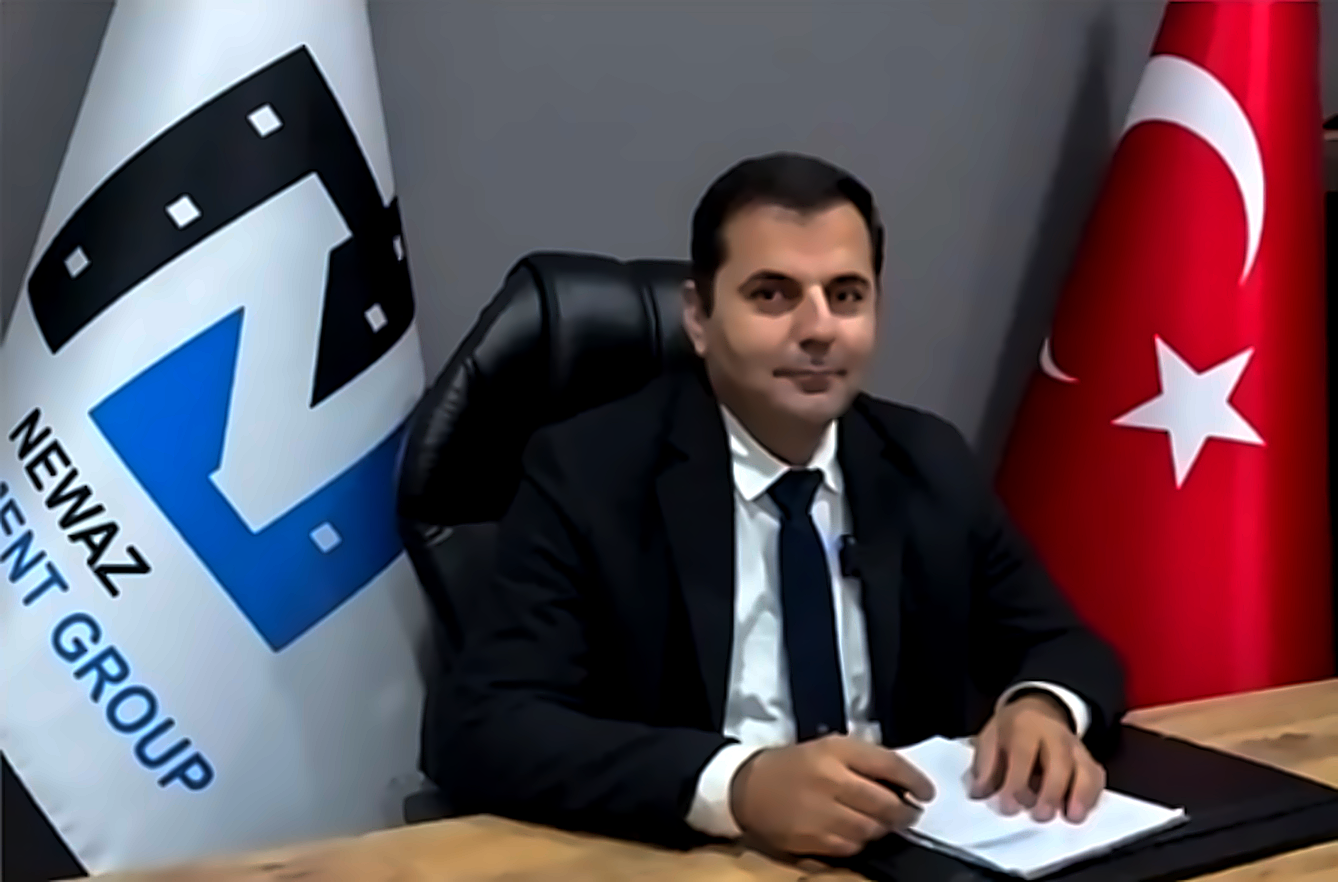
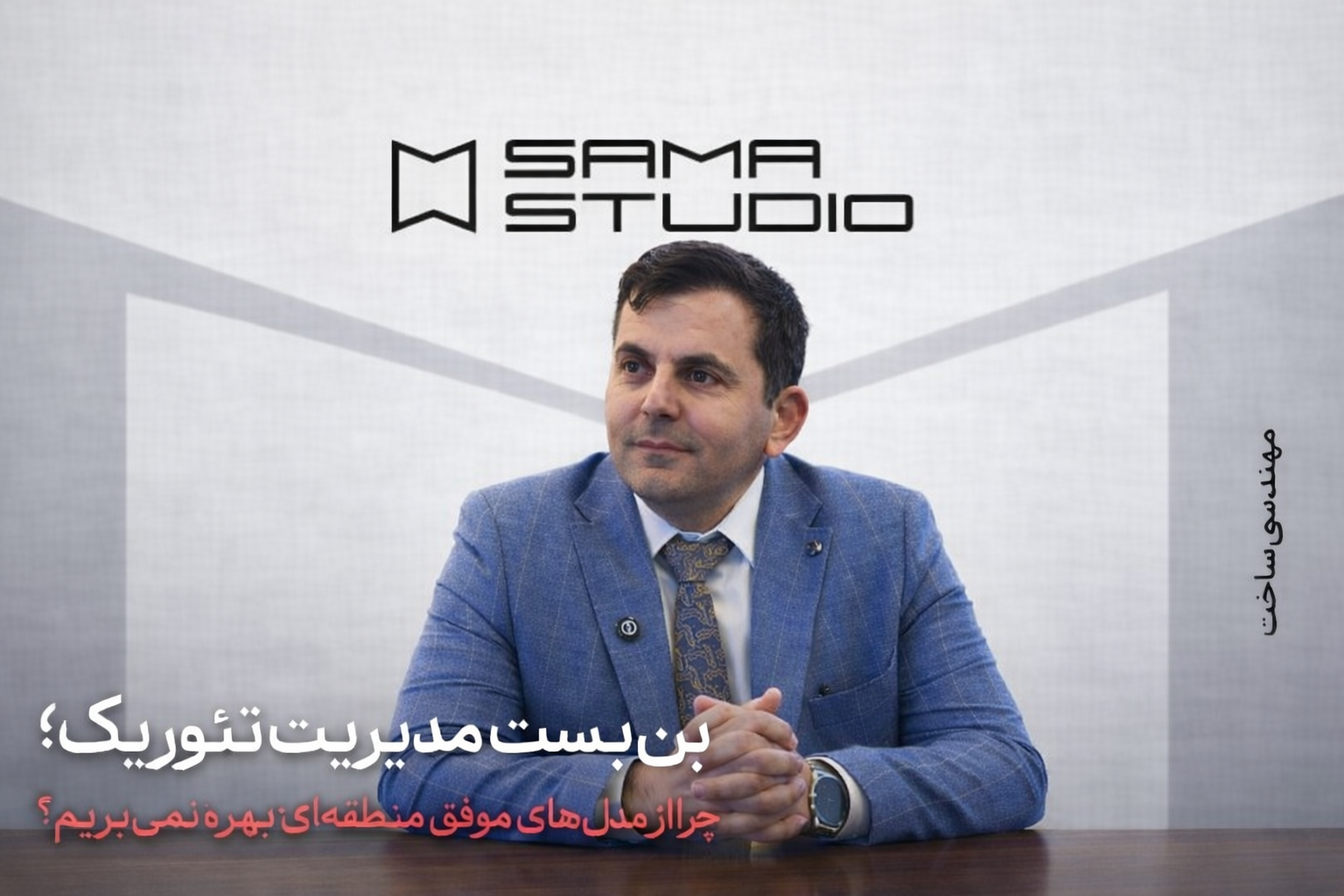
Newaz Company began its activities in the construction sector in 2006 and over the years has successfully completed 44 residential and villa projects in Iran and Turkey, becoming one of the leading companies in this field. The company started its operations in Alborz Province and today, in addition to numerous projects in Tehran, it also has an active presence in international markets, particularly in the city of Istanbul. In this interview with Davoud Davudi, we discuss the challenges and social responsibilities of the construction industry.
It seems that the construction industry has moved away from its original path. How do you see this issue
The reality is that as builders of this country, we have not been able to fulfill our core mission as we should have. This shortcoming can be observed both domestically and internationally. On the international stage, we have not been able to take effective steps toward development and influence, and within the country we have not had a significant role in empowering weaker social groups. In the current economic conditions, when people need support and sound management more than ever, the construction industry could have been a driving force of the economy and a source of hope for society, yet it has deviated from its main path.
What are the main challenges of the construction industry in Iran
From our perspective, based on experience in construction both inside and outside the country, the industry in Iran faces serious obstacles. Complex bureaucracy and lengthy administrative processes—from obtaining construction permits to property documentation and contract regulation—consume a significant amount of time and capital. Urban renewal of deteriorated neighborhoods has not progressed sufficiently due to the lack of necessary support and strict regulations. In addition, taxes and municipal fees create additional pressure on developers.
You mentioned balanced urban development. Why is this important
Under current conditions, many urban areas are faced with deteriorated neighborhoods and weak infrastructure. Focusing solely on constructing luxury and modern buildings in specific areas leads to unsustainable and unequal development. We believe that capable and well-known developers can change their approach and, instead of concentrating only on specific districts, play a role in the renovation and improvement of underprivileged and deteriorated areas. This perspective not only improves the quality of life for citizens across different parts of the city but also creates balanced and sustainable development that benefits the entire society.
What solutions do you propose for improving the current situation
First, laws should be reformed and bureaucracy should be reduced. Supportive frameworks should be created for developers, particularly in the field of urban renewal of deteriorated areas. Developers should also be more committed to their social responsibilities and take effective steps to play their real role in building a better future.
Attention to international markets can also be beneficial. The engineering and execution capabilities of the country can play a meaningful role in international markets. Through this, not only new opportunities will be created for professionals in this field, but it will also bring foreign currency and economic growth for the country.
How do you see the future of the construction industry
Despite all the challenges, we remain hopeful about the future. I believe that with a change in the mindset and approach of developers, this industry can move toward sustainable and fair development. Development should be inclusive, not limited to specific parts of cities. As developers, we must think beyond mere profit and consider our social responsibility in order to build a better future for all citizens.